



As the world shifts toward cleaner energy solutions, solar power plants have emerged as one of the most reliable and sustainable sources of electricity. By harnessing energy from the sun, solar plants reduce dependence on fossil fuels, lower carbon emissions, and provide long-term economic benefits.
What Is a Solar Power Plant?
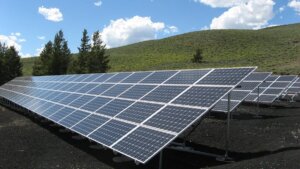
A solar power plant is a large-scale system that converts sunlight into electricity using photovoltaic (PV) panels or concentrated solar power (CSP) technology. These plants are designed to supply electricity to homes, businesses, and industries through the power grid.
Unlike traditional power plants that rely on coal, oil, or gas, solar plants generate energy without burning fuel, making them environmentally friendly and sustainable.
How Does a Solar Power Plant Work?
The working principle of a solar power plant is simple yet highly efficient:
- Solar panels absorb sunlight using photovoltaic cells.
- DC electricity is generated as sunlight excites electrons in the cells.
- Inverters convert DC to AC electricity, making it suitable for grid use.
- Transformers step up the voltage for efficient transmission.
- Electricity is supplied to the grid or stored in batteries for later use.
Types of Solar Power Plants
There are several types of solar plants, each designed for specific applications:
1. Grid-Tied Solar Power Plant
Connected directly to the utility grid, these plants are commonly used for commercial and industrial applications.
2. Off-Grid Solar Power Plant
Ideal for remote areas, these systems operate independently using battery storage.
3. Hybrid Solar Power Plant
Combines solar panels, batteries, and grid connection to ensure uninterrupted power supply.
4. Utility-Scale Solar Power Plant
Large solar farms designed to supply electricity to thousands of consumers.
Benefits of Solar Power Plants
Solar energy offers numerous environmental and economic advantages:
- Renewable and unlimited energy source
- Significant reduction in electricity bills
- Low maintenance and long lifespan
- Zero greenhouse gas emissions
- Energy independence
- Government incentives and tax benefits
Environmental Impact
Solar power plants play a critical role in fighting climate change. By replacing fossil-fuel-based electricity, they reduce air pollution, conserve water resources, and minimize carbon footprints. A single large solar plant can offset thousands of tons of CO₂ emissions annually.
1 comment
Solar Power Plant